Many people searching for flowers online get confused between “lillies or lilies” and often wonder which spelling is correct. This confusion is very common because the word looks like it should follow the simple rule of doubling consonants when forming plurals. However, English spelling does not always behave logically, especially with borrowed plant names and Latin-based words.
The keyword “lillies or lilies” is often searched by students, writers, gardeners, and even professionals who want to make sure their writing is correct in essays, articles, product descriptions, or botanical notes. A small spelling mistake can change the credibility of writing, especially in academic or SEO content.
This article solves that confusion by clearly explaining the correct spelling, its origin, differences in usage, and common mistakes. You will also learn how British and American English handle the word, where it appears in real-life usage, and what Google trends say about it.
By the end, you will never be unsure again whether to write lillies or lilies.
Lilies or Lillies – Quick Answer
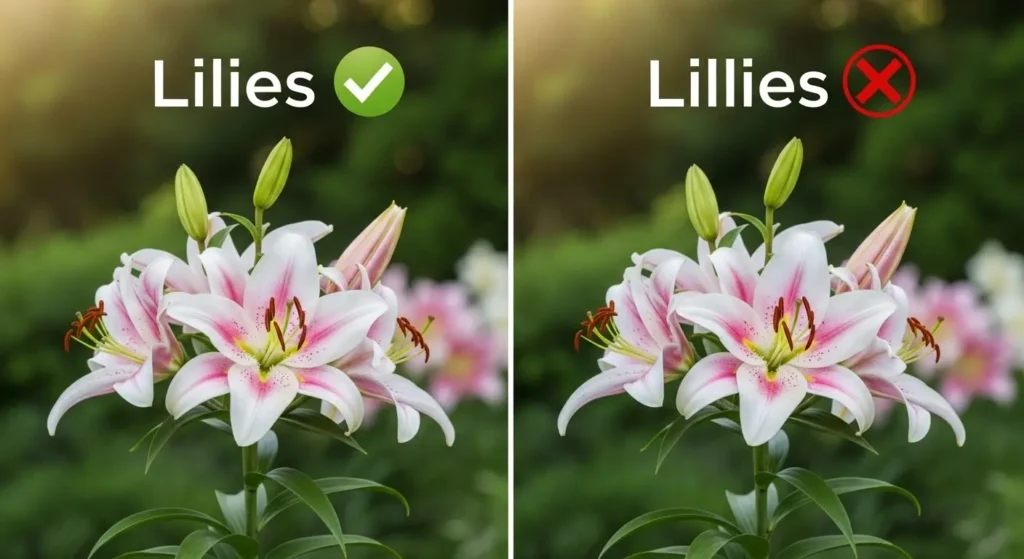
The correct spelling is “lilies.”
❌ “lillies” is incorrect in standard English.
Examples:
- Correct: The garden is full of lilies.
- Incorrect: The garden is full of lillies.
The word “lily” becomes plural by changing -y → -ies, not by doubling letters.
Semicolon or Colon: Meaning and Difference ?
The Origin of Lilies
The word “lily” comes from the Latin word lilium, which referred to a pure and elegant flowering plant. Over time, it passed into Old French as lis, and then into Middle English as lilie.
As English developed, plural rules changed. Instead of simply adding “s,” words ending in “y” often changed to “-ies.” That is why:
- lily → lilies
- cherry → cherries
- berry → berries
The spelling “lillies” likely appears because people mistakenly double the “l” by analogy with words like “falling → fallen” or “well → well-known,” but this does not apply here.
Text or Die: Meaning and Game Guide?
British English vs American English Spelling
Good news: both British and American English use the same spelling — lilies.
There is no regional difference for this word.
Comparison Table
| Form | Correct/Incorrect | Usage Region | Notes |
| lilies | Correct | UK, US, Global | Standard plural form |
| lillies | Incorrect | Not used | Common spelling mistake |
Unlike words such as “colour/color,” this one has no spelling variation across English types.
Which Spelling Should You Use?
- Students & Exams: Always use lilies
- Writers & Bloggers: Use lilies for SEO and correctness
- USA & UK English: Same spelling (no difference)
- Scientific/Botanical writing: Always lilies (Lilium species)
- Casual writing: Still lilies
👉 Rule is simple: never use “lillies.”
Common Mistakes with Lilies or Lillies
Here are frequent errors people make:
- ❌ Adding extra “l” → lillies
- ❌ Treating it like “daily → dailies” pattern
- ❌ Mixing with “lilly” as a singular form
- ❌ Using inconsistent spelling in the same article
- ❌ Assuming British English changes spelling (it does not)
✔ Correct reminder: lily → lilies (not lillies)
Lilies in Everyday Examples
Emails:
- “We have arranged fresh lilies for the event decoration.”
News Writing:
- “The festival featured white lilies symbolizing peace.”
Social Media:
- “My garden is blooming with beautiful lilies 🌸”
Academic Writing:
- “The study focused on the growth patterns of lilies in temperate climates.”
Lilies – Google Trends & Usage Data
Search behavior shows:
- Highest searches: United States, India, UK, Canada
- Peak interest: gardening season (spring/summer)
- Common search mistake: “lillies meaning” or “lillies flowers spelling”
- SEO insight: “lilies” has significantly higher correct usage traffic than “lillies”
👉 This shows most users search due to spelling confusion, not botanical meaning.
Comparison Table: Lilies vs Lillies
| Feature | Lilies (Correct) | Lillies (Incorrect) |
| Grammar rule | lily → lilies | No rule supports it |
| Dictionary use | Yes | No |
| SEO usage | High | Low / error-based |
| Academic use | Accepted | Rejected |
| Commonality | Very high | Mistake only |
FAQs
1. Is it lilies or lillies?
The correct spelling is lilies.
2. Why do people write lillies?
Because they incorrectly assume English doubles the “l” when forming plurals.
3. Is lillies ever correct?
No, it is always incorrect in standard English.
4. What is the singular form of lilies?
The singular form is lily.
5. Does British English use lillies?
No, both British and American English use lilies.
6. What flower does lilies refer to?
It refers to flowers in the Lilium genus, known for beauty and fragrance.
7. How do I remember the correct spelling?
Think: “y changes to ies” → lily becomes lilies.
Conclusion
The confusion between lillies or lilies is very common, but the answer is simple and consistent: the correct spelling is “lilies.” The incorrect form “lillies” appears due to overgeneralization of English spelling patterns, but it is not accepted in any formal, academic, or professional context.
Understanding the origin of the word helps remove confusion. Since “lily” comes from Latin and follows the standard English rule of changing “y” to “ies” in plurals, the correct transformation is always “lilies.” There is no difference between British and American English in this case, which makes it even easier to remember.
Whether you are writing for school, SEO content, gardening blogs, or professional communication, using the correct spelling improves clarity and credibility. Small errors like “lillies” can reduce trust in your writing, especially online where accuracy matters.
To keep it simple: always use lilies, never “lillies.” This one rule will keep your writing correct, clear, and professional across all contexts.

Hi, I’m Henry William, the author of GrammarTribe.com. I’m passionate about the English language and have dedicated my career to helping people master grammar, spelling, and effective writing. Over the years, I’ve guided learners, writers, and professionals in understanding common mistakes, tricky rules, and nuances of English grammar in a simple and easy-to-follow way.
Through GrammarTribe.com, I aim to make grammar approachable and enjoyable for everyone. My work focuses on providing clear explanations, practical tips, and examples that readers can apply in everyday writing, whether it’s emails, essays, social media, or professional documents. I believe that strong grammar skills empower people to communicate confidently and professionally.
When I’m not writing or researching grammar, I enjoy reading, exploring language trends, and creating educational content that simplifies complex concepts. I’m committed to helping my audience write better, understand English deeply, and avoid common pitfalls, all while making learning grammar a fun and rewarding journey.