
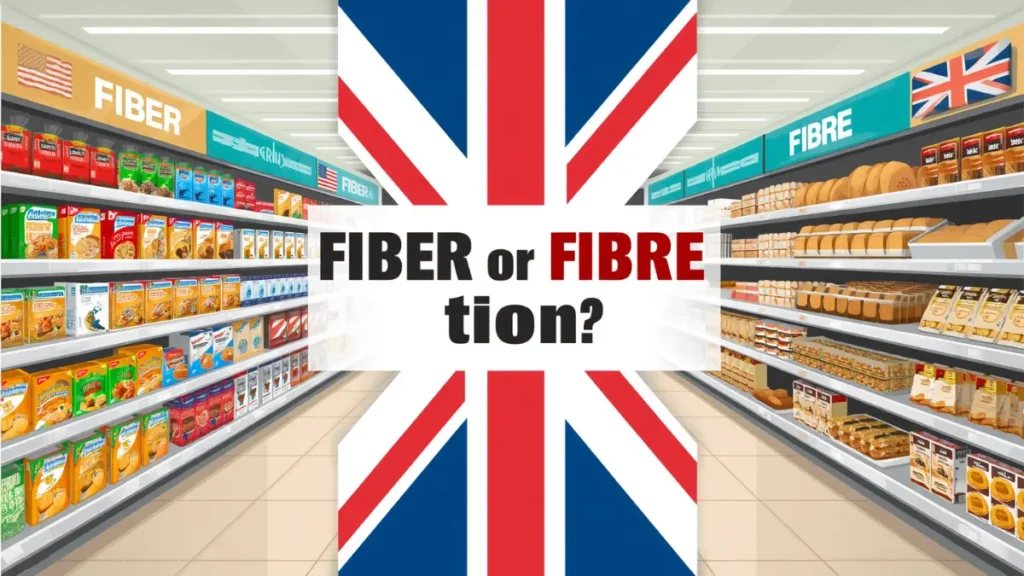
Many people get confused when they see the words “fiber” and “fibre.” They look similar, but spelling depends on where you are in the world. If you are writing an essay, blog, medical report, or even a social media post, choosing the correct spelling matters for clarity and professionalism.
This confusion often happens because English is used globally, but not in the same way everywhere. In the United States, people write “fiber.” In the United Kingdom, Canada, Australia, and most Commonwealth countries, people write “fibre.” Both words mean the same thing, but the spelling changes based on regional English rules.
Users search this keyword to understand:
- Which spelling is correct
- Why two versions exist
- Which one they should use in writing
This article will clearly explain everything in simple words. You will learn the origin of the word, differences between British and American spelling, correct usage, common mistakes, and real-life examples. By the end, you will never be confused about “fiber or fibre” again.
Fiber or Fibre – Quick Answer
“Fiber” (American English) and “fibre” (British English) have the same meaning. The difference is only spelling, not meaning.
- Fiber (US English): Used in the United States
- Fibre (UK English): Used in the United Kingdom, Canada, Australia
Examples:
- US: Eat more dietary fiber for better digestion.
- UK: Eat more dietary fibre for better digestion.
Both are correct depending on your audience.
Read more: Openned or Opened: Which Spelling Is Correct ?
The Origin of Fiber or Fibre
The word comes from Latin “fibra”, meaning thread or strand. It entered English through Old French as “fibre.”
In early English writing, spelling was not fixed. Words changed based on region and writer preference. Over time, two major spelling systems developed:
- American English simplified many words
- British English kept older spellings
That is why:
- “Fibre” stayed in British English
- “Fiber” became standard in American English
Both forms are historically correct.
British English vs American English Spelling
British and American English often differ in spelling. “Fiber/fibre” is one example.
Key Differences
- British English keeps French-style spellings
- American English simplifies spelling for ease
Read more: Congradulations or Congratulations: Which Spelling Is Correct ?
Comparison Table
| British English | American English | Meaning |
| fibre | fiber | thread / nutrition |
| centre | center | middle point |
| colour | color | hue/shade |
| theatre | theater | performance place |
| metre | meter | unit of measure |
The meaning does not change only spelling.
Which Spelling Should You Use?
Choosing between “fiber” and “fibre” depends on your audience:
Use “Fiber” if:
- You are writing for the United States
- Your blog targets American readers
- SEO keyword is US-based
Use “Fibre” if:
- You are writing for UK, Canada, Australia
- Your audience follows British English
- Academic or Commonwealth writing style is required
Global Writing Tip:
If your audience is international, choose one style and stay consistent. Do not mix both spellings in the same document.
Common Mistakes with Fiber or Fibre
Here are frequent errors people make:
1. Mixing both spellings
❌ The diet is rich in fiber and fibre
✔ The diet is rich in fiber (US) OR fibre (UK)
2. Using wrong regional spelling
❌ Writing “fiber” in a UK school essay
✔ Use “fibre” in UK writing
3. Changing spelling in one document
❌ Switching between fiber and fibre in the same article
✔ Always stay consistent
4. Confusing meaning
❌ Thinking fiber/fibre have different meanings
✔ They mean exactly the same thing
Fiber or Fibre in Everyday Examples
Health and Nutrition
- Dietary fiber helps digestion.
- High-fibre foods include fruits and vegetables.
Medical Writing
- Fiber intake reduces cholesterol.
- Fibre supplements support gut health.
News Articles
- Experts recommend more fiber in diets.
- Studies show fibre improves heart health.
Social Media
- “I need more fiber in my meals!”
- “Love high-fibre breakfast bowls!”
Formal Writing
- Fiber is an essential nutrient in human diets.
- Fibre plays a key role in digestive health.
Fiber or Fibre – Google Trends & Usage Data
Search trends show clear regional patterns:
- United States: “fiber” is dominant
- United Kingdom: “fibre” is standard
- Canada & Australia: Prefer “fibre”
- Global SEO content: “fiber” often ranks higher due to US search volume
Usage Insight:
- “Fiber” has higher global search traffic
- “Fibre” is more region-specific and academic
For SEO writers, choosing the correct version depends on target traffic location.
Comparison Table: Fiber vs Fibre Variations
| Term Type | British English | American English |
| Basic word | fibre | fiber |
| Dietary context | dietary fibre | dietary fiber |
| Supplement term | fibre tablets | fiber tablets |
| Medical usage | fibre intake | fiber intake |
| SEO keyword use | fibre meaning | fiber meaning |
FAQs about Fiber or Fibre
1. Are fiber and fibre the same?
Yes. They have the same meaning. Only spelling is different.
2. Which is correct: fiber or fibre?
Both are correct. It depends on British or American English.
3. Why does fiber have two spellings?
Because English evolved differently in the US and UK over time.
4. Which spelling is used in science?
Both are used. American science uses “fiber,” British science uses “fibre.”
5. What is dietary fiber/fibre?
It is a plant nutrient that helps digestion and gut health.
6. Should I use fiber or fibre for SEO?
Use “fiber” for US traffic and “fibre” for UK/Commonwealth traffic.
7. Can I mix both spellings?
No. Always use one style consistently in writing.
Conclusion
The difference between “fiber” and “fibre” is simple but important for clear writing. Both words mean the same thing, but spelling depends on English style. American English uses “fiber,” while British English and most Commonwealth countries use “fibre.”
Understanding this difference helps you write better emails, articles, academic papers, and SEO content. It also improves your credibility as a writer because your spelling matches your audience.
If you are writing for a global audience, choose one version and stay consistent throughout your content. For SEO, research your target region before selecting the spelling. This small choice can improve readability and search performance.
In the end, there is no wrong answer only regional preference. If you write fiber or fibre, your message remains the same: healthy nutrition and clear communication matter most.

Hi, I’m Henry James, the author behind GrammarTribe.com. I’m passionate about the English language and specialize in grammar, helping readers understand complex rules in a simple, clear way. Over the years, I’ve dedicated myself to creating content that makes learning grammar practical, fun, and accessible for everyone. If you’re a student, professional, or language enthusiast.
Through GrammarTribe.com, I share tips, guides, and examples to help people write confidently and correctly. My goal is to make grammar less intimidating and more useful in everyday writing, emails, social media, and professional communication. Writing and teaching grammar isn’t just my profession — it’s my passion.
When I’m not writing, I enjoy reading, exploring language trends, and discovering new ways to make English learning engaging and easy. My mission is to empower readers to communicate clearly and confidently, one grammar tip at a time.