
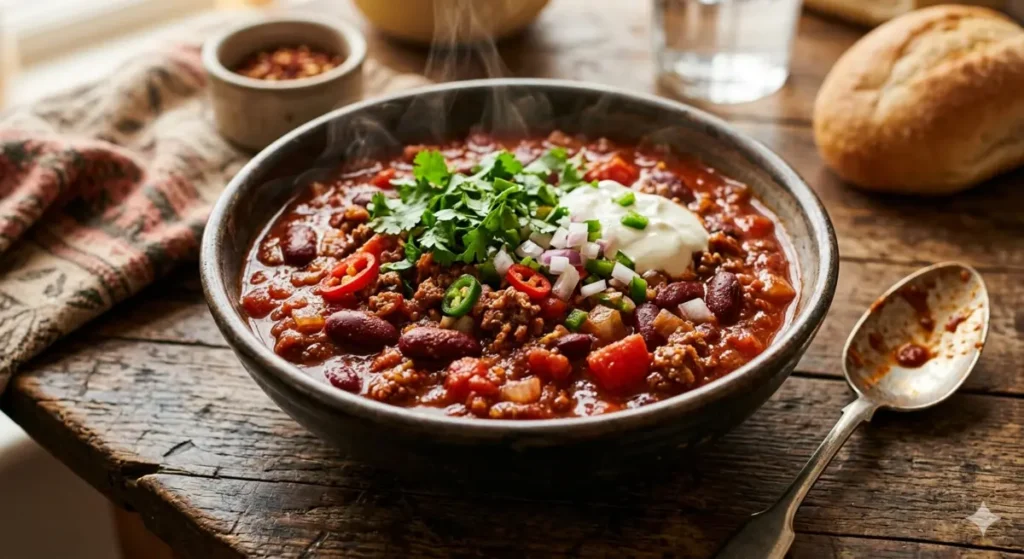
Have you ever seen the words “chili” and “chile” and wondered which one is right? Many people search for “chili or chile” because the two words look almost the same but mean slightly different things. You may see chili powder in a recipe, but then read about green chile peppers in a food blog. This can feel confusing, especially for English learners, food writers, and travelers.
The confusion also grows because different countries use different spellings. In the United States, “chili” is very common. In places like Mexico and the American Southwest, “chile” is often preferred. Both words connect to spicy peppers, but the context changes the spelling.
This guide will explain the difference in simple words. You will learn the meaning, origin, spelling rules, common mistakes, and real-life examples. By the end, you will know exactly when to use chili and when to use chile in writing, recipes, emails, and social media.
Chili or Chile – Quick Answer
Both “chili” and “chile” are correct, but they are used differently.
- Chili usually means:
- A spicy dish with meat or beans
- A general term for chili peppers in American English
Example:
- “We ate a bowl of hot chili.”
- “Add chili powder to the soup.”
- Chile usually means:
- A pepper plant or fresh pepper, especially in Mexican or Southwestern cooking
Example:
- “Roasted green chile tastes amazing.”
- “New Mexico is famous for chile peppers.”
Trys or Tries :Which Spelling Is Correct? (Simple Grammar Guide)
Quick Comparison
| Word | Main Meaning | Common Region |
| Chili | Spicy food or pepper | United States |
| Chile | Pepper plant or fresh pepper | Mexico & Southwest US |
The Origin of Chili or Chile
The word comes from the Nahuatl language spoken by the Aztecs. The original word was “chīlli.” Spanish speakers later changed it to “chile.”
When English speakers borrowed the word, different spellings appeared:
- Chile stayed close to the Spanish form.
- Chili became popular in American English.
- Some people also use chilli, especially in British English.
Over time, the spellings developed different meanings in different places. In the American Southwest, “chile” became strongly connected with local pepper culture. Meanwhile, “chili” became linked to the famous spicy dish called chili con carne.
Kindergarten or Kindergarden: Everything You Need to Know
British English vs American English Spelling
American and British English often spell words differently. The same thing happens with chili-related words.
American English
Americans usually write:
- Chili for the dish
- Chile for specific peppers in Mexican cuisine
Examples:
- “Texas chili is spicy.”
- “Green chile sauce is popular in New Mexico.”
British English
British English usually uses:
- Chilli with two “l” letters
Examples:
- “Add chopped chilli to the curry.”
- “This chilli sauce is hot.”
Comparison Table
| Region | Preferred Spelling | Example |
| United States | Chili | Chili soup |
| Mexico/Southwest US | Chile | Green chile peppers |
| United Kingdom | Chilli | Chilli sauce |
| Australia | Chilli | Hot chilli flakes |
Which Spelling Should You Use?
The best spelling depends on your audience.
Use “Chili” If:
- Your readers are mostly American
- You are talking about the spicy dish
- You are writing general food content
Use “Chile” If:
- You are discussing Mexican cuisine
- You mean the actual pepper
- Your audience knows Southwestern US cooking
Use “Chilli” If:
- Your audience is in the UK, Australia, or India
- You follow British English spelling rules
Best Advice for Global Writing
If you write for an international audience:
- Use chili for the dish
- Use chile pepper for the plant or pepper type
This keeps your writing clear and easy to understand.
Common Mistakes with Chili or Chile
Many writers mix the spellings. Here are common mistakes and fixes.
| Incorrect | Correct |
| “I cooked green chili peppers.” | “I cooked green chile peppers.” |
| “This chile con carne recipe is my favorite chili.” | Correct as written |
| “British people spell it chili.” | “British people spell it chilli.” |
| “I love eating hot chile.” | “I love eating hot chili.” |
Common Problems
Using “Chile” for the Dish
Wrong:
- “We had a bowl of chile.”
Better:
- “We had a bowl of chili.”
Forgetting Regional Differences
A British audience may expect “chilli,” while Americans usually prefer “chili.”
Chili or Chile in Everyday Examples
Here is how the words appear in daily writing.
In Emails
- “Please bring chili for the office lunch.”
- “The restaurant serves roasted green chile.”
In News Articles
- “Texas hosts an annual chili festival.”
- “Farmers grow famous Hatch chile peppers.”
On Social Media
- “This chili recipe changed my life!”
- “Fresh green chile season is finally here!”
In Formal Writing
- “Chile peppers play a major role in Mexican cuisine.”
- “Chili consumption increases during winter months.”
Chili or Chile – Google Trends & Usage Data
Search popularity changes by country and topic.
“Chili”
Popular in:
- United States
- Canada
Usually searched for:
- Chili recipes
- Chili soup
- Chili powder
“Chile”
Popular in:
- Mexico
- New Mexico region
- Food culture websites
Usually searched for:
- Green chile
- Chile peppers
- Hatch chile
“Chilli”
Popular in:
- United Kingdom
- Australia
- India
Usually searched for:
- Chilli sauce
- Chilli flakes
- Chilli chicken
Comparison Table: Chili vs Chile vs Chilli
| Spelling | Meaning | Main Usage Area | Example |
| Chili | Spicy dish or pepper | United States | Chili recipe |
| Chile | Pepper plant/pepper | Mexico & Southwest US | Green chile |
| Chilli | British spelling | UK & Commonwealth | Chilli sauce |
FAQs About Chili or Chile
Is chili or chile correct?
Both are correct. The right choice depends on meaning and region.
What is the difference between chili and chile?
“Chili” usually means a spicy dish. “Chile” usually refers to the pepper itself.
Why do British people spell it chilli?
British English often doubles consonants, so “chilli” became the common spelling.
Is chile the same as chili pepper?
Yes. “Chile” can refer to chili peppers, especially in Mexican cooking.
Which spelling should I use in America?
Use “chili” for the dish and “chile” for Southwestern pepper styles.
Is Chili the country spelled the same way?
No. The country is spelled Chile with a capital “C.”
What is Hatch chile?
Hatch chile is a famous pepper grown in New Mexico.
Conclusion
The debate around “chili or chile” is mostly about region, food culture, and spelling style. Both words are correct, but they serve different purposes. In most American writing, chili refers to the spicy dish people eat during cold weather or sports events. Meanwhile, chile often points to the actual pepper, especially in Mexican and Southwestern cooking traditions.
British English adds another version, chilli, which is common in the UK, Australia, and other Commonwealth countries. Understanding these differences helps your writing look professional and clear. It also helps avoid confusion when talking about recipes, food products, or international cuisine.
The easiest rule to remember is this:
- Use chili for the dish.
- Use chile for the pepper.
- Use chilli for British English audiences.
By matching the spelling to your audience and context, you can write with confidence in emails, blogs, menus, and social media posts.

Hi, I’m Henry James, the author behind GrammarTribe.com. I’m passionate about the English language and specialize in grammar, helping readers understand complex rules in a simple, clear way. Over the years, I’ve dedicated myself to creating content that makes learning grammar practical, fun, and accessible for everyone. If you’re a student, professional, or language enthusiast.
Through GrammarTribe.com, I share tips, guides, and examples to help people write confidently and correctly. My goal is to make grammar less intimidating and more useful in everyday writing, emails, social media, and professional communication. Writing and teaching grammar isn’t just my profession — it’s my passion.
When I’m not writing, I enjoy reading, exploring language trends, and discovering new ways to make English learning engaging and easy. My mission is to empower readers to communicate clearly and confidently, one grammar tip at a time.