“Read or die” is a phrase many people see online, in anime culture, book communities, and social media posts. But what does it really mean? Is it a serious warning, a slogan, or just a dramatic expression? Many users search for “read or die” because they want to understand the phrase, its origin, and how it is used in different situations.
The confusion grows because “read or die” is not a spelling issue like “color or colour.” Instead, it is a phrase with cultural meaning. Some people connect it with reading passion, while others know it from the Japanese anime and manga series Read or Die. The phrase can sound intense, so users also wonder whether it is appropriate for formal writing or casual conversation.
This guide explains everything in simple words. You will learn the meaning of “read or die,” where it came from, how people use it today, and when you should avoid using it. You will also see examples, common mistakes, usage data, and FAQs to help you fully understand the phrase.
Read or Die – Quick Answer
“Read or die” is a dramatic phrase that means reading is extremely important. It is often used by book lovers to show passion for books and learning.
Example:
- “For me, it’s read or die. I cannot live without books.”
- “She calls herself a read-or-die reader.”
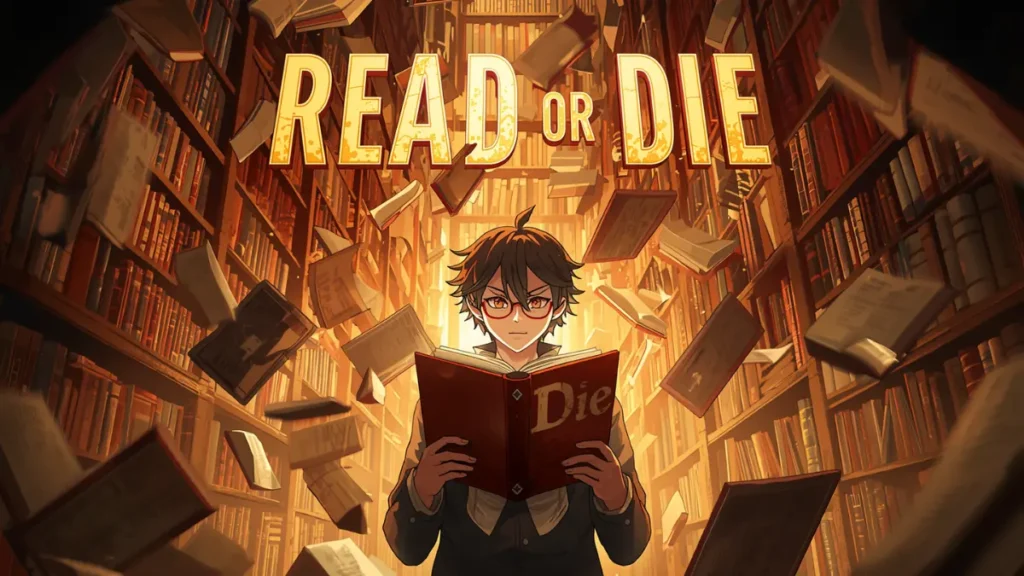
The phrase is also the title of a famous Japanese anime and manga series called Read or Die.
It is not a British vs American spelling issue. The phrase stays the same in all English varieties.
Develope or Develop: Which Spelling Is Correct?
The Origin of Read or Die
The phrase “read or die” became widely known through Japanese pop culture. It was used as the title of the manga and anime series Read or Die, created by Hideyuki Kurata. The story focused on characters connected to books and special paper powers.
The wording itself follows the style of strong expressions like:
- “do or die”
- “adapt or die”
- “publish or perish”
These phrases use strong language to show urgency or passion.
In modern internet culture, “read or die” became popular among:
- Book communities
- Anime fans
- Students
- Writers
- Reading clubs
Today, the phrase usually means:
“Reading is essential.”
Unlike spelling debates such as “realize or realise,” there are no spelling variations of “read or die.”
Sherbert or Sherbet: Which Spelling Is Correct?
British English vs American English Spelling
“Read or die” does not change between British English and American English. The spelling stays exactly the same.
Comparison Table
| Version | British English | American English |
| Read or Die | Read or Die | Read or Die |
| Meaning | Passion for reading | Passion for reading |
| Usage | Same | Same |
| Formal Writing | Rare | Rare |
Examples
| Context | Example |
| Social Media | “It’s read or die for me.” |
| Book Club | “We are a read-or-die community.” |
| Anime Discussion | “Have you watched Read or Die?” |
There are no alternate spellings like:
- ❌ Reed or Die
- ❌ Read and Die
- ❌ Read or Dye
Which Spelling Should You Use?
You should use the standard phrase:
✅ Read or Die
This version works worldwide.
Audience-Based Advice
| Audience | Best Usage |
| US Readers | Read or Die |
| UK Readers | Read or Die |
| Global Audience | Read or Die |
| Formal Business Writing | Avoid dramatic phrase |
| Social Media | Very common |
| Anime Fans | Highly recognizable |
The phrase is best for:
- Casual writing
- Fan communities
- Reading campaigns
- Creative content
Avoid it in:
- Legal documents
- Academic reports
- Professional business emails
Common Mistakes with Read or Die
People sometimes misunderstand or misuse the phrase.
Frequent Errors and Corrections
| Incorrect | Correct | Reason |
| Reed or Die | Read or Die | “Read” is the correct verb |
| Read and Die | Read or Die | Changes the meaning |
| Read or Dye | Read or Die | “Dye” means coloring |
| Using it formally | Use carefully | Sounds dramatic |
| Confusing it with a threat | Understand context | Usually symbolic |
Example Mistakes
❌ “This contract is read or die.”
✅ “Our book club lives by the phrase ‘read or die.’”
❌ “Employees must read or die.”
✅ “Many students jokingly say ‘read or die’ during exams.”
Read or Die in Everyday Examples
The phrase appears mostly in casual and creative communication.
Emails
- “I joined a read-or-die book community online.”
News Style
- “Young readers are reviving the read-or-die culture on social media.”
Social Media
- “Coffee, books, and read-or-die vibes.”
Formal Writing
Formal writing usually avoids dramatic phrases like “read or die.”
Instead, use:
- “reading is important”
- “strong reading culture”
- “lifelong reading habit”
Everyday Speech
- “He is a read-or-die fan of fantasy novels.”
- “For her, books are read or die.”
Read or Die – Google Trends & Usage Data
Search interest for “read or die” comes from several groups:
- Anime fans
- Manga readers
- Book lovers
- Students
- Pop culture communities
Popular Countries
The phrase is commonly searched in:
| Country | Main Interest |
| Japan | Anime and manga |
| United States | Pop culture and books |
| United Kingdom | Reading communities |
| Philippines | Anime fandom |
| Canada | Book culture |
Common Search Contexts
| Search Query | Purpose |
| Read or Die anime | Entertainment |
| Read or Die meaning | Phrase explanation |
| Read or Die manga | Comic series |
| Read or Die quote | Social media captions |
| Read or Die book club | Reading culture |
The phrase is more popular online than in formal publishing.
Comparison Table of Read or Die Variations
| Phrase | Meaning | Correct? |
| Read or Die | Passion for reading | ✅ Yes |
| Read-and-Die | Hyphenated variation | ⚠ Sometimes |
| Read or Dye | Wrong meaning | ❌ No |
| Reed or Die | Spelling error | ❌ No |
| Do or Die | Different phrase | ✅ Separate expression |
FAQs About Read or Die
What does “read or die” mean?
It means reading is extremely important or essential to someone.
Is “read or die” a real phrase?
Yes. It is widely used in book culture and anime fandoms.
Is “read or die” an anime?
Yes. Read or Die is a Japanese manga and anime series.
Is “read or die” formal English?
No. It is mostly casual and creative language.
Does “read or die” have different spellings in the UK and US?
No. The spelling stays the same everywhere.
Can I use “read or die” in professional writing?
It is better to avoid it in serious professional documents.
Why is the phrase so popular online?
It combines dramatic emotion with love for reading, which makes it memorable and shareable.
Conclusion
“Read or die” is a bold and memorable phrase that celebrates the importance of reading. While it may sound dramatic at first, most people use it symbolically to show passion for books, learning, and storytelling. The phrase also became famous through the Japanese anime and manga series Read or Die, helping it spread worldwide across internet culture and reading communities.
Unlike spelling debates such as British versus American English, “read or die” has only one standard form. There are no accepted spelling variations. The phrase works best in casual writing, social media posts, fan discussions, and book communities. However, it is usually too dramatic for formal business or academic writing.
If you want a simple rule, remember this: use “read or die” when you want to express strong enthusiasm for reading in a fun or creative way. Avoid incorrect versions like “reed or die” or “read or dye.” Understanding the phrase and its context helps you use it naturally and correctly in modern English communication.

Hi, I’m Henry William, the author of GrammarTribe.com. I’m passionate about the English language and have dedicated my career to helping people master grammar, spelling, and effective writing. Over the years, I’ve guided learners, writers, and professionals in understanding common mistakes, tricky rules, and nuances of English grammar in a simple and easy-to-follow way.
Through GrammarTribe.com, I aim to make grammar approachable and enjoyable for everyone. My work focuses on providing clear explanations, practical tips, and examples that readers can apply in everyday writing, whether it’s emails, essays, social media, or professional documents. I believe that strong grammar skills empower people to communicate confidently and professionally.
When I’m not writing or researching grammar, I enjoy reading, exploring language trends, and creating educational content that simplifies complex concepts. I’m committed to helping my audience write better, understand English deeply, and avoid common pitfalls, all while making learning grammar a fun and rewarding journey.