
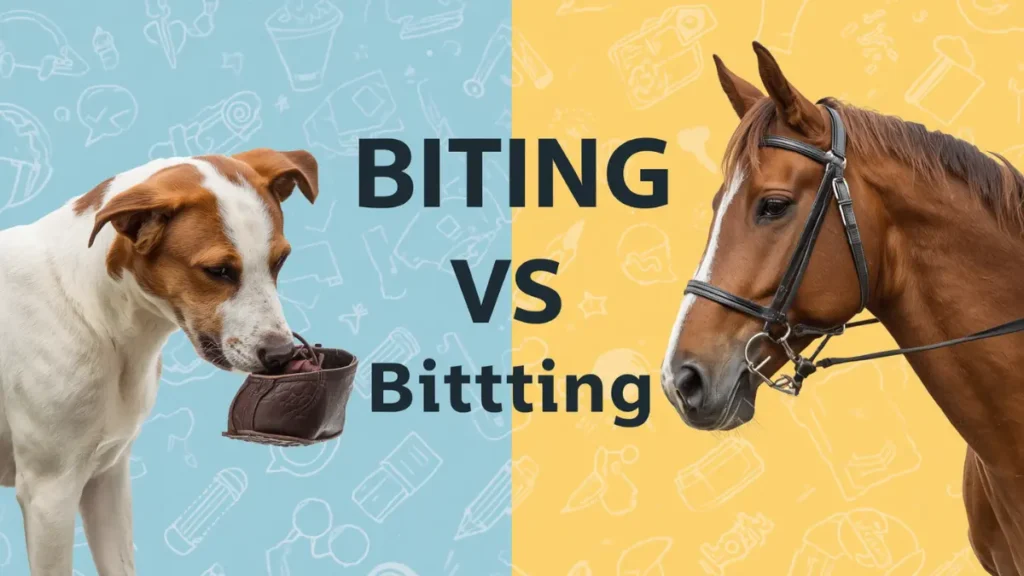
Many people search for “bitting or biting” because they are confused about which spelling is correct in English. At first glance, both words look similar, but only one is widely accepted in modern English. This confusion often appears in writing, texting, social media captions, and even professional documents where accuracy matters.
The main issue arises from spelling mistakes, pronunciation misunderstandings, and differences in English usage across regions. Some users think “bitting” is an alternative form of “biting,” while others are unsure if both have different meanings. This leads to frequent grammar errors, especially for English learners and content writers.
In reality, only one spelling is correct for the meaning related to using teeth or making a sharp comment. The other is either incorrect or used in very rare technical contexts. Understanding the difference helps improve writing clarity, avoid mistakes, and sound more professional in both casual and formal communication.
Biting or Bitting – Quick Answer
The correct spelling is “biting.”
“Bitting” is generally considered incorrect in standard English.
Examples:
- Correct: The dog is biting the bone.
- Correct: Her words were biting and rude.
- Incorrect: The dog is bitting the bone.
“Biting” can mean:
- Using teeth to cut or hold something
- Sharp or hurtful comments
- Cold or harsh weather (figurative use)
Stationary or Stationery: What’s the Difference?
The Origin of Biting
The word “bite” comes from Old English “bītan,” meaning “to cut or strike with the teeth.” Over time, it evolved into “bite,” and the present participle became “biting.”
The confusion with “bitting” likely comes from:
- Mishearing the pronunciation (“bite-ing” sounds like “bit-ing”)
- Overgeneralizing English spelling rules
- Typing errors in fast writing
Historically, “bitting” exists but in a completely different context, such as horse equipment in equestrian terminology, but it is not related to the verb “bite.”
British English vs American English Spelling
Unlike many English words, “biting” does not change between British and American English. Both use the same spelling.
Comparison Table
| Meaning | British English | American English |
| Using teeth | biting | biting |
| Sharp remark | biting | biting |
| Incorrect form | bitting (wrong) | bitting (wrong) |
So, unlike words like “colour/color,” this one stays the same globally.
Wisk or Whisk: Which Spelling is Correct ?
Which Spelling Should You Use?
- USA: Use biting
- UK & Commonwealth: Use biting
- Global writing (blogs, SEO, academic): Always use biting
If you are writing professionally, blogging, or doing SEO content, always avoid “bitting” unless referring to a niche technical term in horse equipment.
Common Mistakes with Biting
Here are frequent errors:
- ❌ “bitting cold wind” → ✔ “biting cold wind”
- ❌ “she is bitting her nails” → ✔ “she is biting her nails”
- ❌ Confusing pronunciation and spelling
- ❌ Using “bitting” as a synonym for “biting”
Tip: If it involves teeth or sharpness, it is always biting.
Biting in Everyday Examples
1. Emails
- “His feedback was quite biting, but helpful.”
2. News Headlines
- “A biting economic crisis affects global markets.”
3. Social Media
- “That comment was so biting 😂”
4. Formal Writing
- “The report includes a biting analysis of policy failures.”
Biting – Google Trends & Usage Data
Search trends show:
- “biting” has high global usage in writing and grammar searches
- “bitting” appears mostly due to spelling mistakes or niche horse-related topics
- English learners frequently search this keyword for clarification
Most traffic comes from:
- India
- Pakistan
- USA
- UK
This confirms that confusion is global, not regional.
Comparison Table: Biting vs Bitting
| Feature | Biting | Bitting |
| Correct spelling | Yes | No (mostly) |
| Meaning | Using teeth / sharp expression | Horse equipment (rare use) |
| Grammar use | Verb form | Not standard verb |
| SEO usage | High | Very low |
FAQs about Biting or Bitting
1. Is “bitting” a correct English word?
No, in most cases it is incorrect. The correct form is “biting.”
2. What does biting mean in English?
It means using teeth to cut or a sharp, critical expression.
3. Why do people write bitting?
It is usually a spelling mistake or confusion with pronunciation.
4. Can “bitting” ever be correct?
Only in very rare technical horse equipment contexts.
5. Is biting used in British and American English?
Yes, both use the same spelling: “biting.”
6. What is a biting comment?
It means a sharp, critical, or sarcastic remark.
7. How do I remember the correct spelling?
Think: “bite + ing = biting” (just add -ing, no double “t”).
Conclusion
The confusion between “bitting or biting” is very common, especially among English learners and casual writers. However, the correct and widely accepted spelling is “biting.” It is used in all forms of English British, American, and global writing.
“Biting” has multiple meanings, from physical actions like using teeth to figurative expressions like sharp criticism or harsh weather descriptions. On the other hand, “bitting” is not a standard verb form and is usually considered a spelling mistake, except in very niche technical uses.
To write correctly and professionally, always choose “biting.” This small correction improves clarity, boosts credibility, and helps your writing look polished. Whether you are writing emails, blogs, or academic content, using the right spelling ensures better communication and avoids confusion for readers worldwide.

Hi, I’m Henry James, the author behind GrammarTribe.com. I’m passionate about the English language and specialize in grammar, helping readers understand complex rules in a simple, clear way. Over the years, I’ve dedicated myself to creating content that makes learning grammar practical, fun, and accessible for everyone. If you’re a student, professional, or language enthusiast.
Through GrammarTribe.com, I share tips, guides, and examples to help people write confidently and correctly. My goal is to make grammar less intimidating and more useful in everyday writing, emails, social media, and professional communication. Writing and teaching grammar isn’t just my profession — it’s my passion.
When I’m not writing, I enjoy reading, exploring language trends, and discovering new ways to make English learning engaging and easy. My mission is to empower readers to communicate clearly and confidently, one grammar tip at a time.