
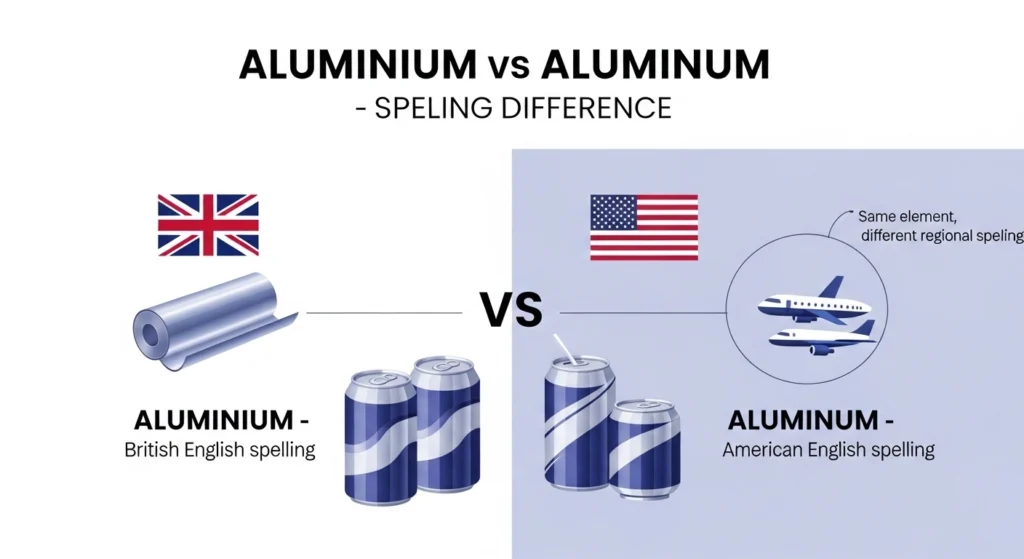
When writing in English, many people get confused between “offence” and “offense.” Are they the same? Which one should you use? Understanding the difference is important for clear writing, If it’s for school, work, or online content. Some writers follow British English, while others follow American English, which changes the spelling of certain words. This often leads to mistakes in emails, articles, and even legal documents.
People search for “offence or offense” to clarify which spelling is correct in their context. Knowing the difference helps avoid errors and ensures your writing appears professional. This guide will explain the spelling variations, their history, common mistakes, and give practical advice on when to use each version. By the end, you will confidently know whether to write “offence” or “offense” depending on your audience.
Offence or Offense – Quick Answer
- Offence → British English spelling.
- Offense → American English spelling.
Example sentences:
- UK: “He committed an offence under the law.”
- US: “He committed an offense under the law.”
Both words have the same meaning: a violation of a law, rule, or social expectation.
The Origin of Offence/Offense
The word comes from the Latin word offendere, meaning “to strike against or oppose.” Over time, the word entered Middle English as “offense”, but the British adopted “offence” to match certain spelling patterns (like defence, licence). The difference is purely regional; the meaning remains unchanged.
British English vs American English Spelling
British and American English often differ in spelling. Words ending in -ce in British English usually end in -se in American English.
| Word | British English | American English |
| Offence | offence | offense |
| Defence | defence | defense |
| Licence (noun) | licence | license |
| Pretence | pretence | pretense |
Rule of thumb:
- Use -ce in British English.
- Use -se in American English.
Which Spelling Should You Use?
- US audience: Use offense.
- UK/Commonwealth audience: Use offence.
- Global/uncertain audience: Choose one style and stay consistent.
Professional writing, academic papers, and formal communication should always match the regional standard.
Common Mistakes with Offence/Offense
- Mixing US and UK spelling in the same document.
- ❌ “He committed an offense under British law.”
- ✅ “He committed an offence under British law.”
- Confusing the noun and verb forms.
- Offense/offence is a noun; the verb is “to offend.”
- Incorrect pluralization.
- ✅ “Many offences” (UK) / “Many offenses” (US)
- ❌ “Many offensees”
Offence/Offense in Everyday Examples
- Emails: “Please note that late submissions may be considered an offence.”
- News: “The suspect is charged with a serious offense.”
- Social media: “That joke was an offence to many people.”
- Formal writing: “The company treats any breach as a legal offence/offense.”
Offence – Google Trends & Usage Data
- United Kingdom: “offence” dominates search results.
- United States: “offense” is far more popular.
- Canada, Australia, India: Both are understood; offence is preferred in formal British-style writing.
| Country | Common Spelling | Usage Notes |
| UK | offence | Standard in law and daily writing |
| US | offense | Standard in law and daily writing |
| Australia | offence | Follows UK conventions |
| Canada | offence/offense | Both accepted; UK style preferred formally |
| India | offence | British influence prevails |
Comparison Table: Offence vs Offense
| Feature | Offence | Offense |
| Spelling | British | American |
| Meaning | Law violation, wrongdoing | Same |
| Verb form | to offend | to offend |
| Usage region | UK, Australia, India, Commonwealth | US, Canada (sometimes), global American content |
| Example | “Traffic offences carry fines.” | “Traffic offenses carry fines.” |
FAQs
1. Are offence and offense the same word?
Yes, the meaning is identical; only the spelling differs by region.
2. Which is correct in British English?
“Offence” is correct in British English.
3. Which is correct in American English?
“Offense” is correct in American English.
4. Can I mix the spellings in one document?
No, consistency is important. Stick to one style.
5. Is “offense” ever used in UK writing?
Rarely; it may appear in American quotes or media.
6. What is the verb form of offence/offense?
The verb is “to offend.”
7. How do I remember which to use?
Think -ce = UK and -se = US; use the style matching your audience.
Conclusion
Understanding the difference between offence and offense is simple: it’s all about regional spelling. British English prefers offence, while American English prefers offense. Both mean the same thing: wrongdoing, breach of law, or insult.
Always consider your audience and maintain consistent spelling throughout your writing. Avoid mixing styles, and remember that professional and formal writing benefits from following the correct regional standard. With these guidelines, you can confidently use the correct spelling in emails, articles, academic papers, and social media posts, keeping your English polished and professional.

I am James Wilson, an author at GrammarTribe.com, specializing in English grammar and clear communication.
I create expert, reliable content to help learners write with confidence and accuracy.