Choosing between “halves” and “halfs” can be confusing, especially when writing quickly or speaking casually. Many people search for “Halves or Halfs: Which Is Correct? Meaning & Examples” because they want a simple, reliable answer. Using the wrong form can make your writing look unprofessional or unclear.
In this article, we’ll explain which option is correct, explore its history, highlight British vs. American English differences, and provide practical examples. By the end, you’ll confidently know how to use this word correctly in everyday writing.
Halves or Halfs – Quick Answer
The correct plural of half is halves.
- ❌ Halfs → Incorrect
- ✅ Halves → Correct
Examples:
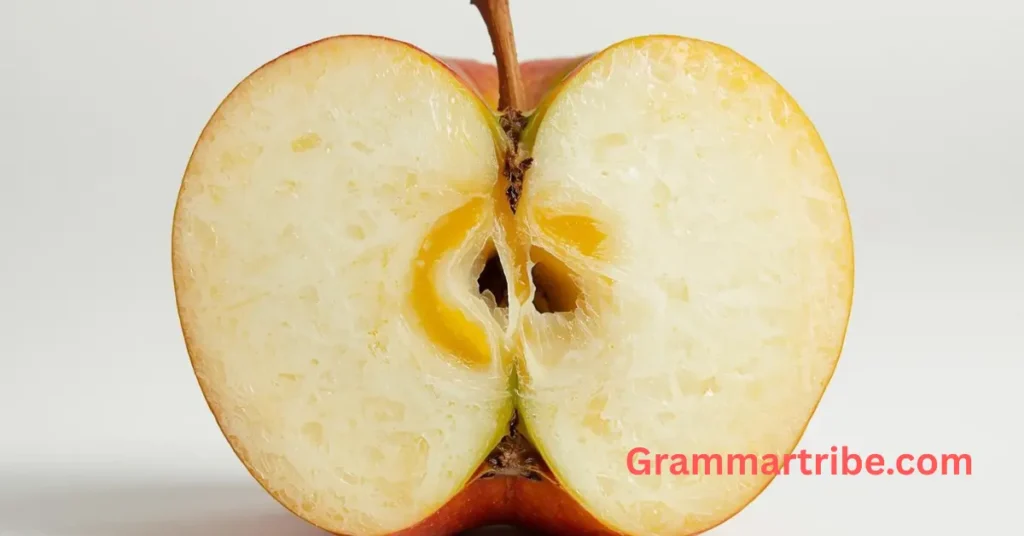
- I cut the apple into two halves.
- The team scored in both halves of the game.
The pronunciation stays the same, but the spelling changes to follow English plural rules for words ending in -f.
The Origin of Halves / Halfs
The word half comes from Old English “healf”, meaning one of two equal parts. In early English, plural forms often changed the -f to -ves when the word ended with “f” or “fe.”
- Half → Halves
- Wife → Wives
- Leaf → Leaves
The form halfs is never correct in standard English. This spelling has no historical backing and is considered a mistake.
Read more; Receive or Recieve –( Correct Spelling Explained in 2026)
British English vs American English Spelling
Unlike some words, halves does not have different British or American spellings. Both varieties use halves as the plural.
Comparison Table
| Aspect | Halves | Halfs |
| Correct Spelling | ✅ | ❌ |
| Meaning | Two equal parts | Incorrect |
| Region | US & UK | Not used |
| Grammar Rule | Words ending with -f → -ves | Wrong plural |
Which Spelling Should You Use?
Always use halves, no matter your audience. There’s no American vs British difference, so consistency is the key.
- US audience → halves ✅
- UK/Commonwealth → halves ✅
- Global audience → halves ✅
Tip: Always double-check plural forms of words ending in -f or -fe. The -ves rule is standard English.
Read more: Useing or Using – Which Spelling Is Correct? (Simple Guide)
Common Mistakes with Halves / Halfs
❌ Writing halfs instead of halves
✔ Correct form: halves
❌ Forgetting to change f → v
✔ Correct form: wives, knives, leaves, halves
❌ Using halves in the wrong context
✔ Always use for “two equal parts” only
Halves in Everyday Examples
Emails:
- Please divide the report into two halves for review.
News:
- The football match had exciting first and second halves.
Social Media:
- I ate two halves of my favorite chocolate bar!
Formal Writing:
- The experiment results were analyzed in halves to ensure accuracy.
Halves – Google Trends & Usage Data
- The word halves is widely used in both American and British English.
- Google searches for “halves” spike in educational and recipe content.
- Halfs rarely appears, mostly as a typo, and is not considered correct.
- Using halves improves clarity, professionalism, and SEO relevance.
Keyword Comparison Table
| Variation | Correct | Usage |
| halves | ✅ | Standard plural of half |
| halfs | ❌ | Incorrect, typo |
FAQs – Halves or Halfs
1. Which is correct: halves or halfs?
✅ Halves is correct. Halfs is wrong.
2. Is halves used in US English?
Yes, it’s standard in both US and UK English.
3. Can I write halfs in informal text?
Even in informal writing, halves are preferred.
4. Why does half become halves?
English plural rule: words ending in -f or -fe often change f → ves.
5. Is halves used in math and recipes?
Yes, it’s commonly used in fractions, measurements, and game halves.
6. Are there similar words like half with -ves?
Yes: wife → wives, knife → knives, leaf → leaves.
7. Does pronunciation change with halves?
No, pronunciation stays the same as singular half.
Conclusion:
The plural of half is always halves, and halfs is never correct. This spelling follows the standard English rule for words ending in -f or -fe, where the f changes to v and adds -es. Unlike some words, there is no British vs American variation; both English types use halves.
Using the correct spelling ensures clarity, professionalism, and grammatical accuracy. It’s especially important in academic writing, business communication, content creation, and SEO-friendly text. By remembering the -f to -ves rule, you’ll also avoid mistakes with other words like wife → wives or knife → knives.
Whenever you need to talk about two equal parts, in math, recipes, games, or reports, halves is the right choice. Consistent use builds trust with readers and ensures your writing is polished and accurate. Always double-check for typos like halfs, and your English will appear confident and correct.

I am James Wilson, an author at GrammarTribe.com, specializing in English grammar and clear communication.
I create expert, reliable content to help learners write with confidence and accuracy.